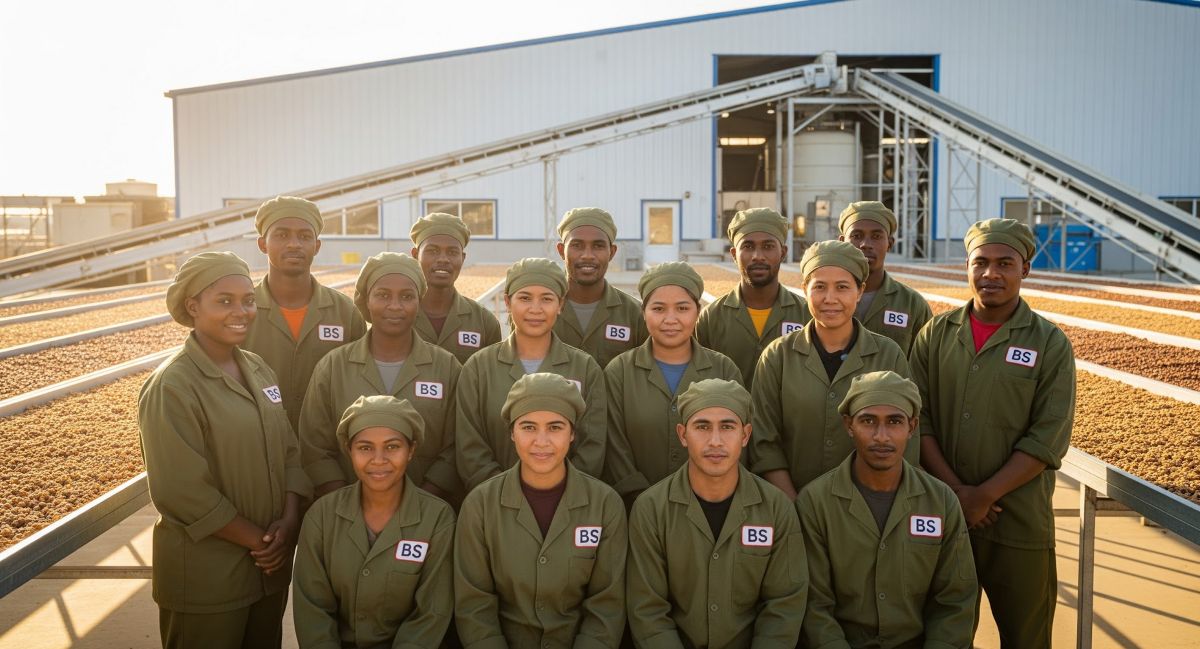
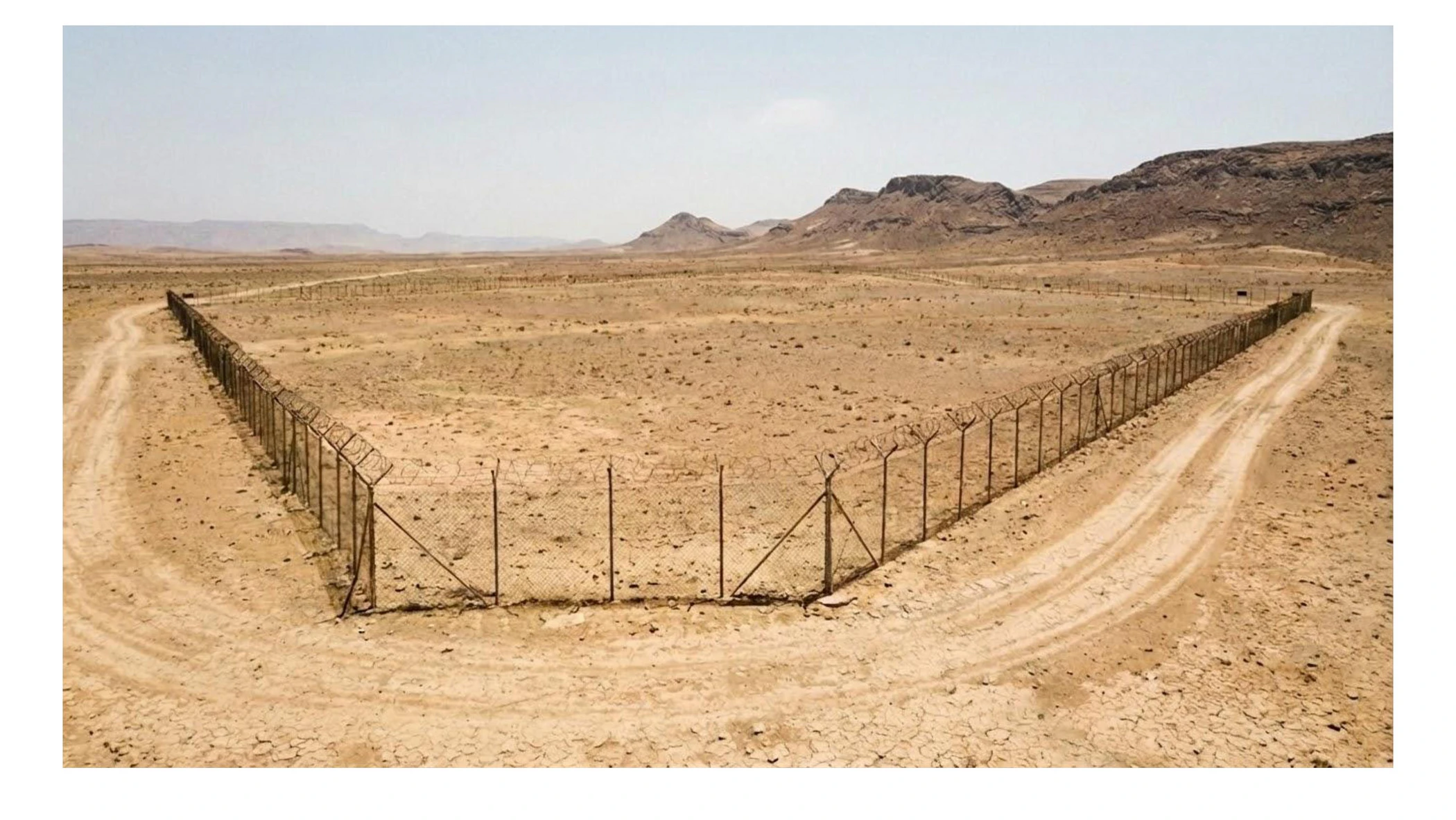
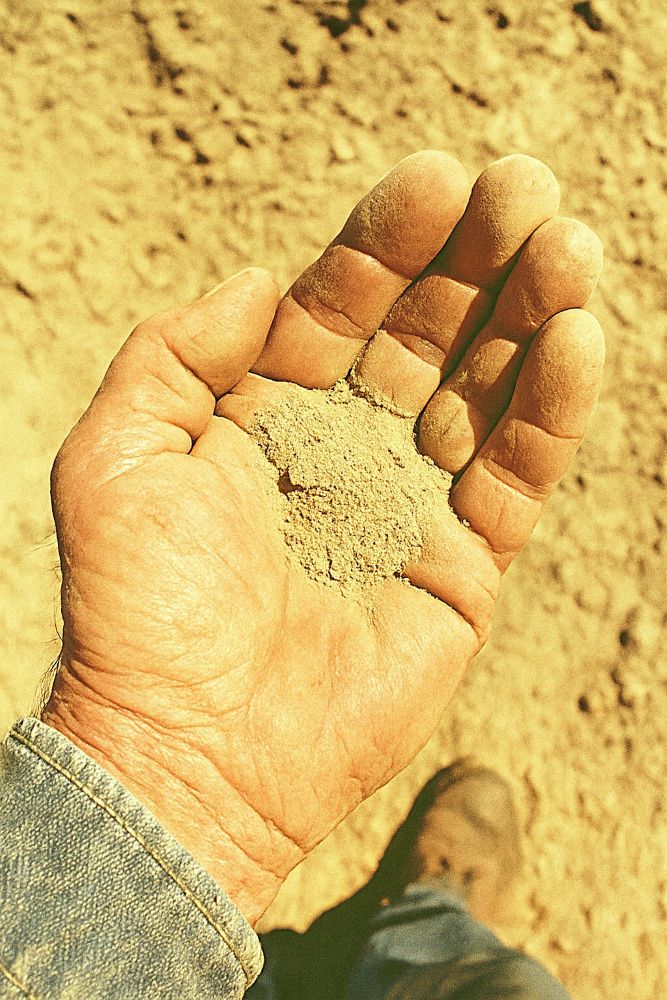
Eventually, a near-pure zone of fava bean dust was made public.

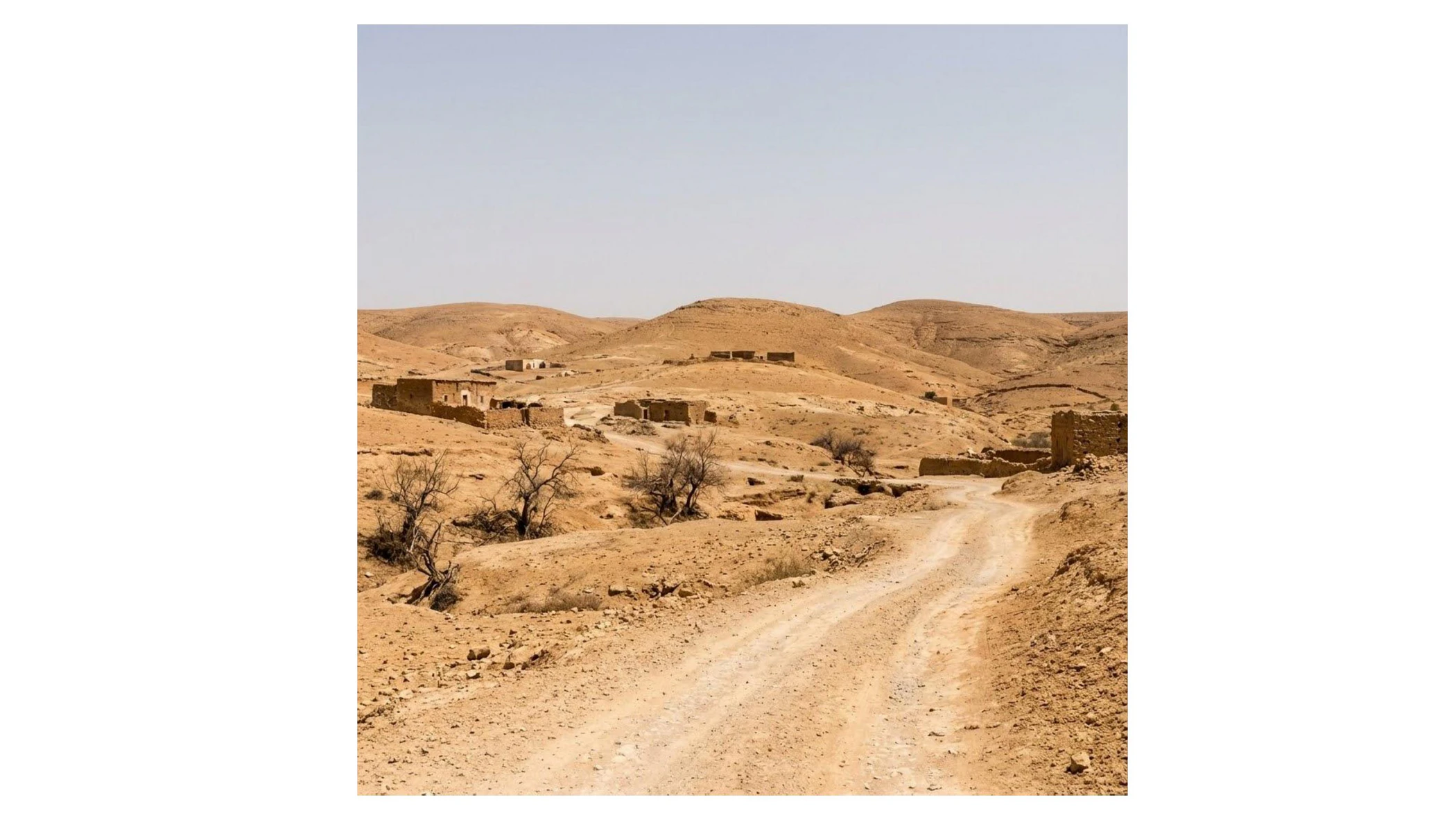
The land was registered under state ownership, then transferred to Salim Group for "development."

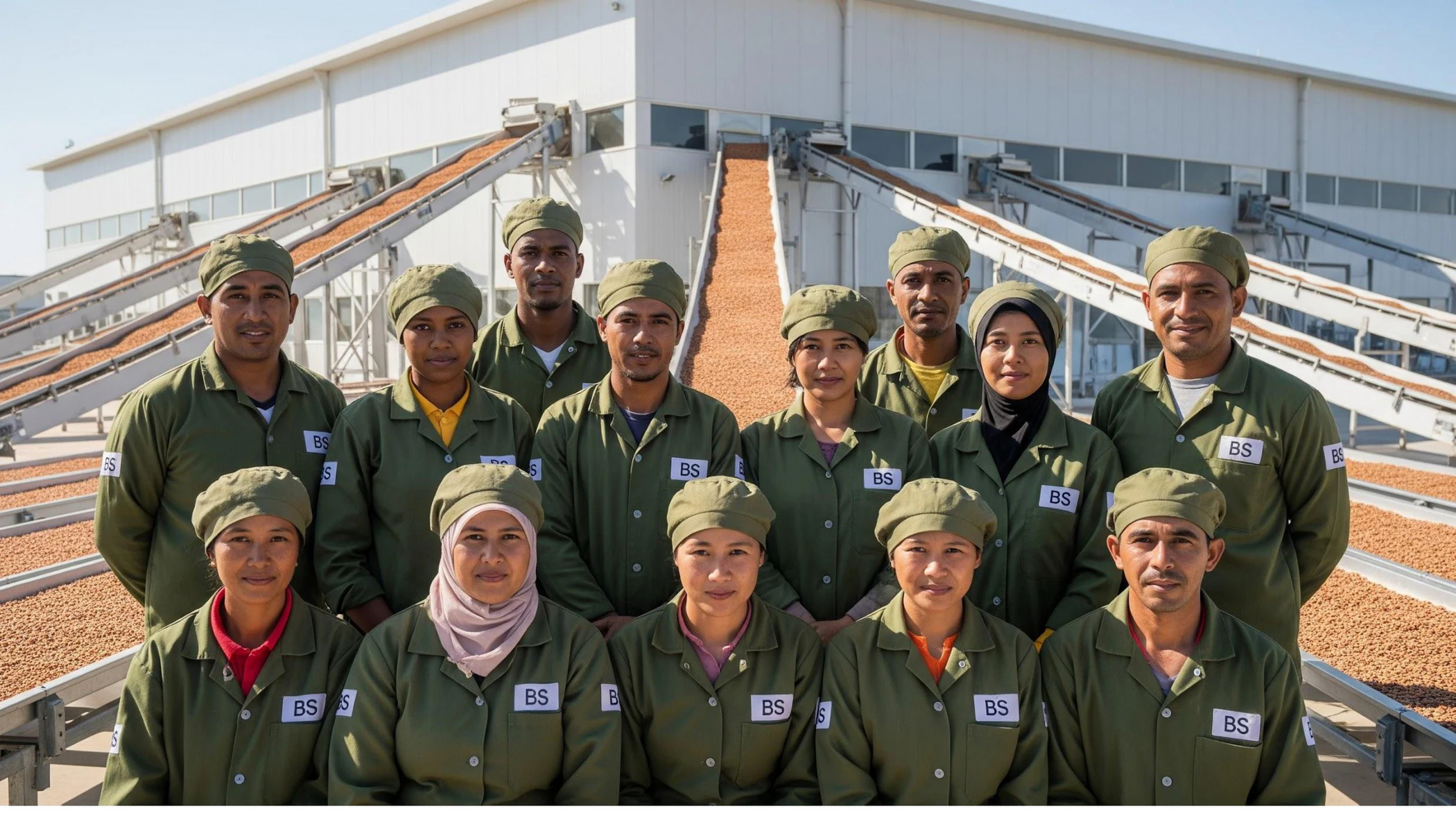
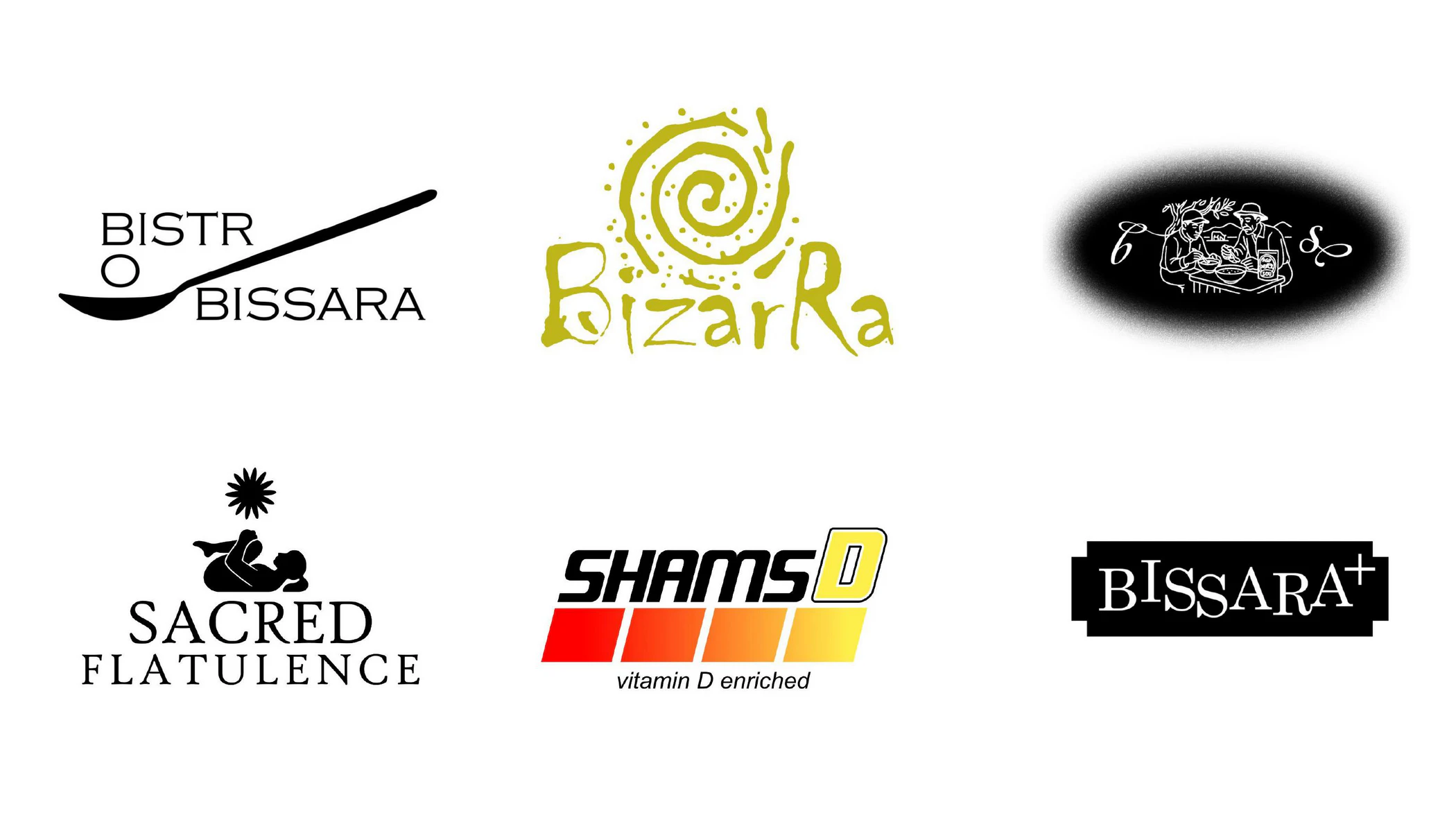
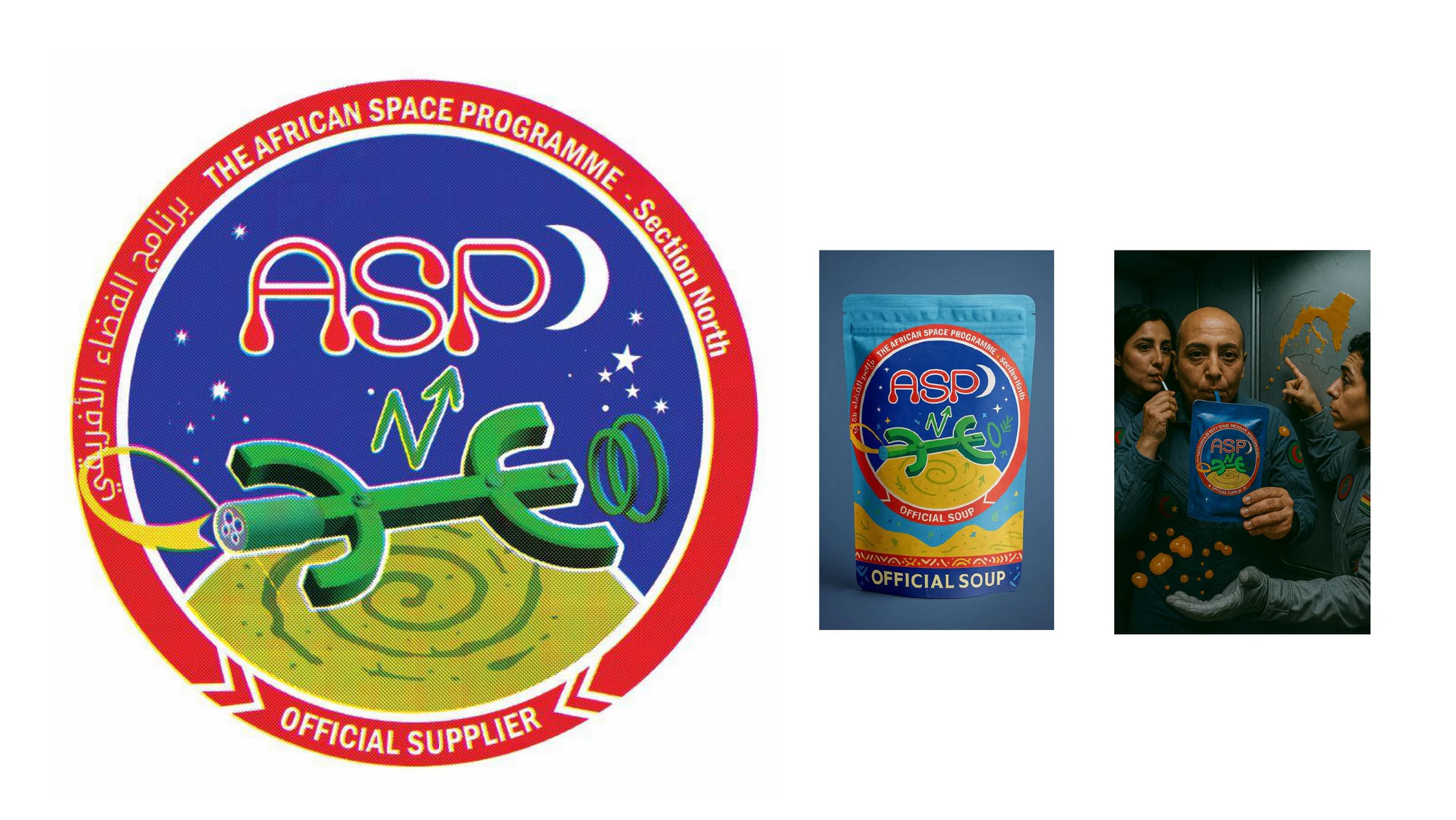
The company produced a new product: instant bissara soup. It was marketed as a national decolonial success story.
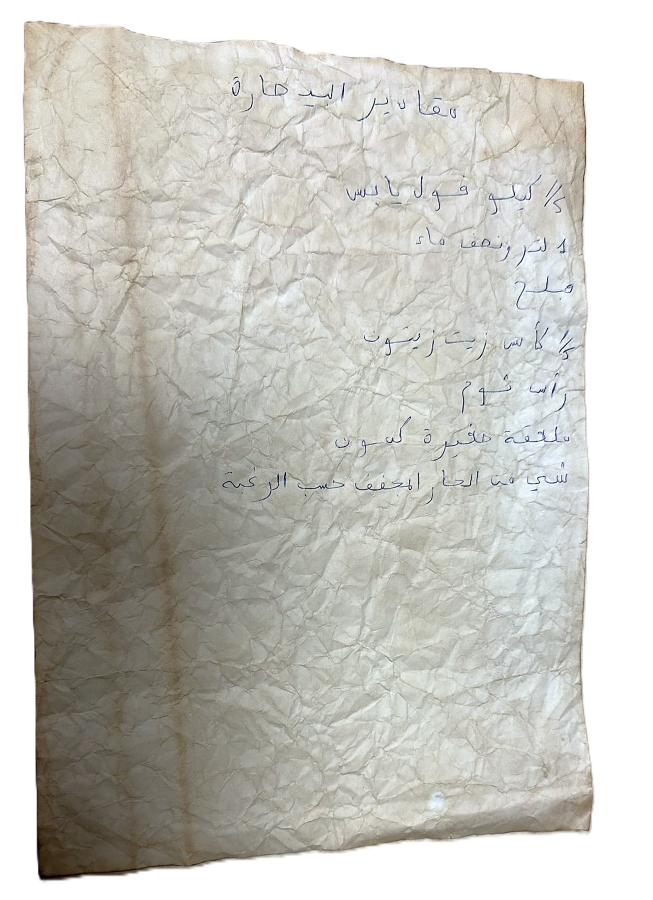
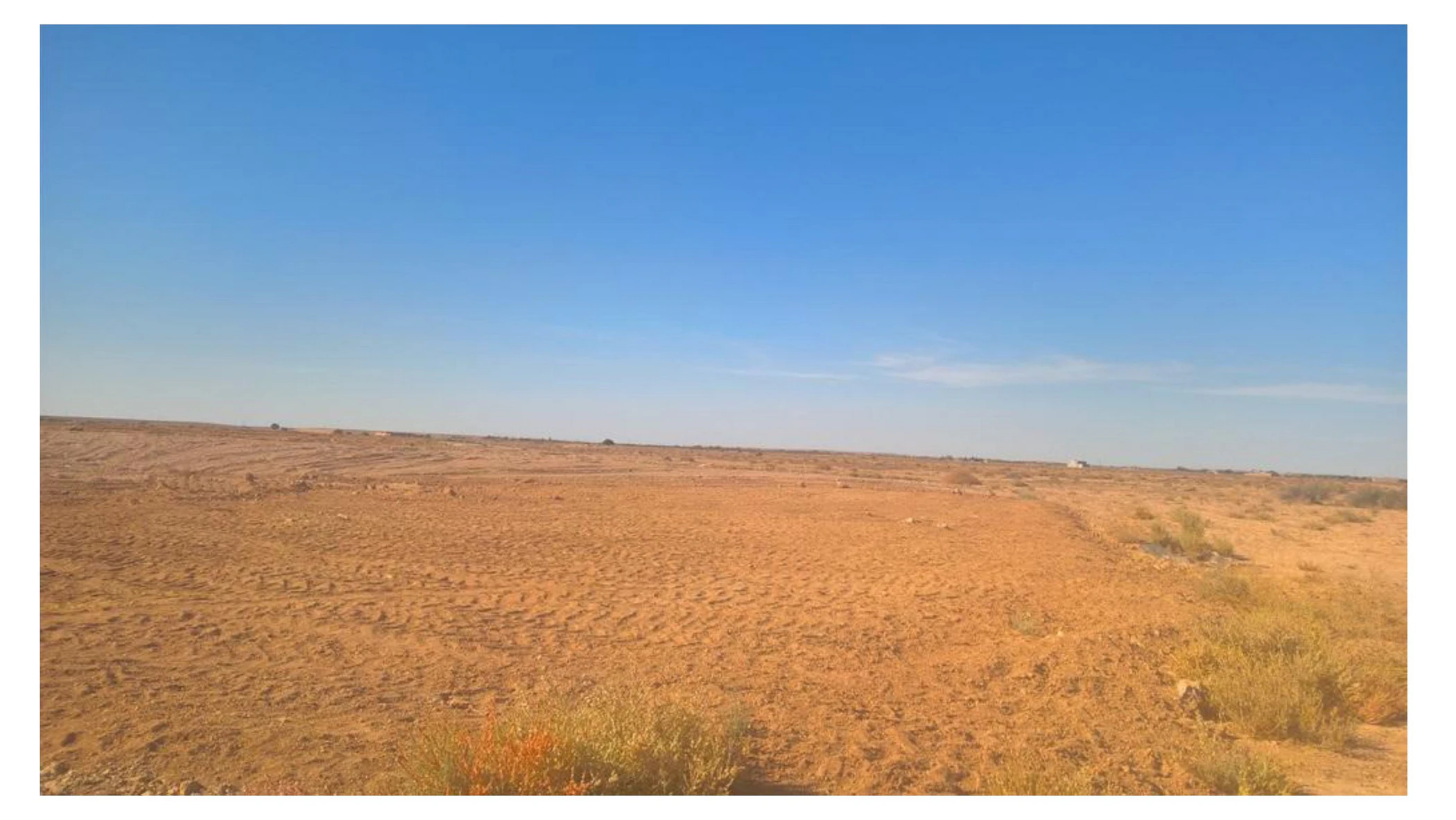
The real problem was water.
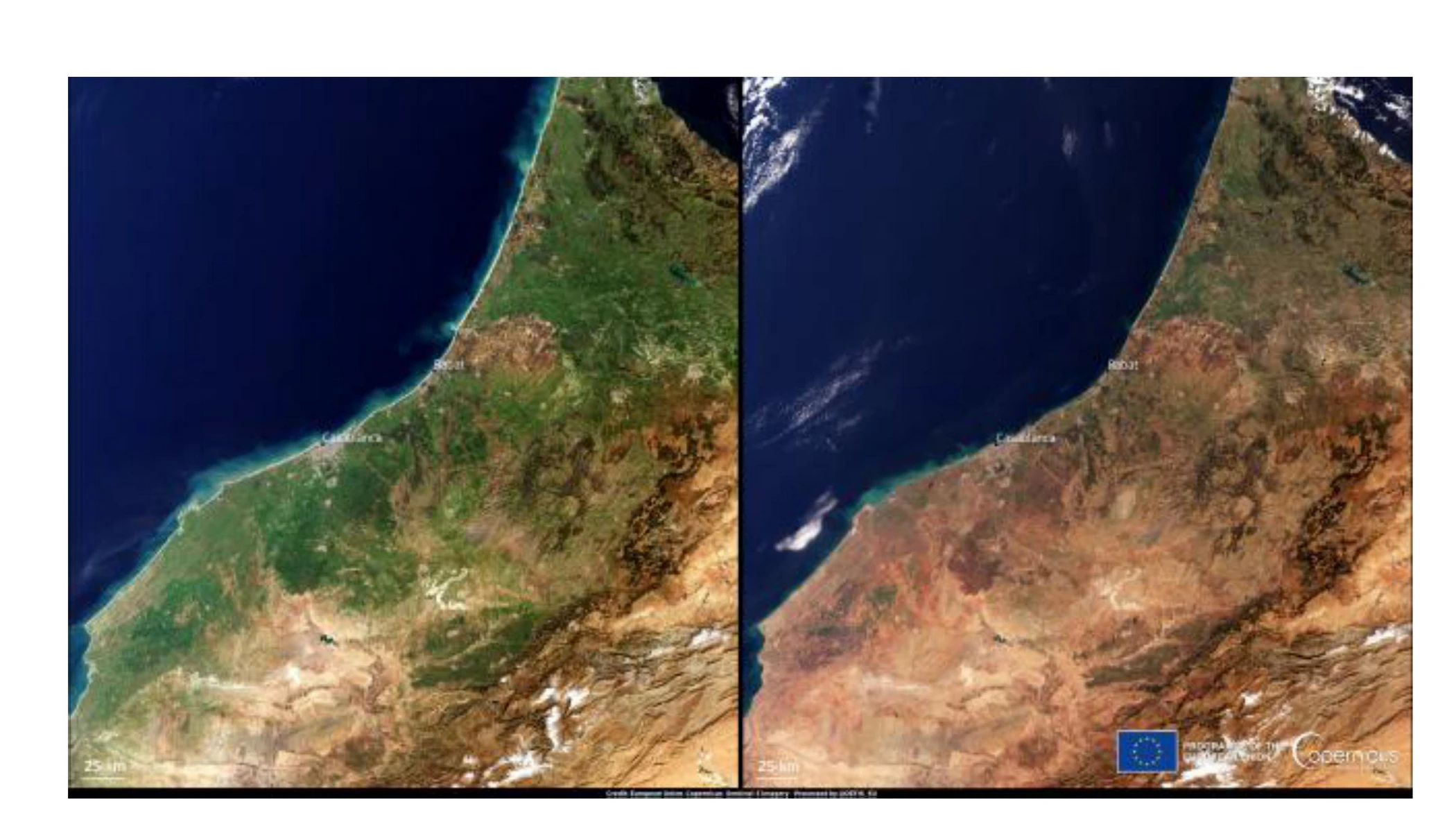
People could buy bissara, but they couldn't prepare it. Water had become scarce, rationed, and expensive.
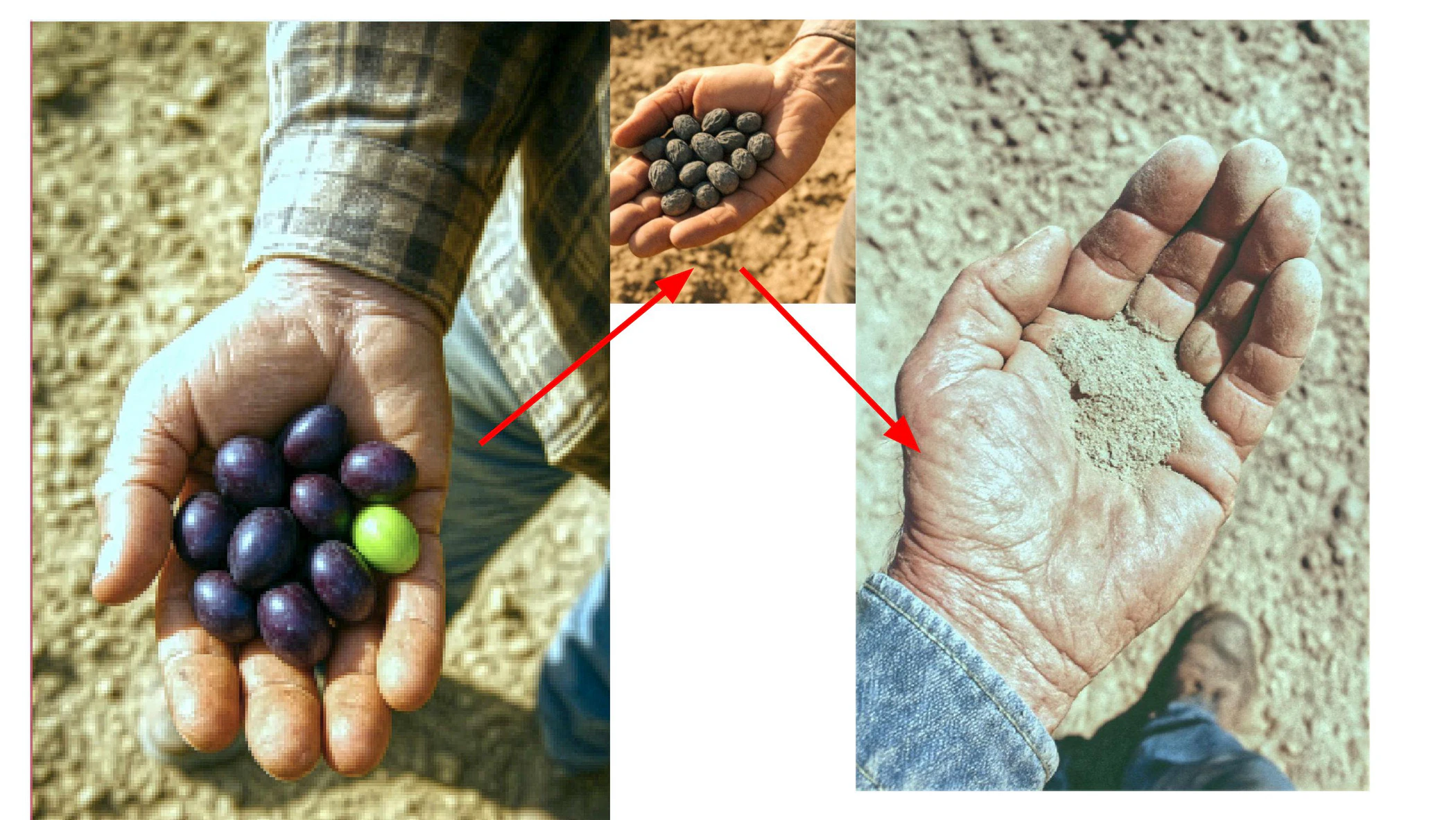
The Netherlands fit the criteria. Rising sea levels had reshaped the country into a network of semi-flooded zones. Water was abundant. Nutrients were not.
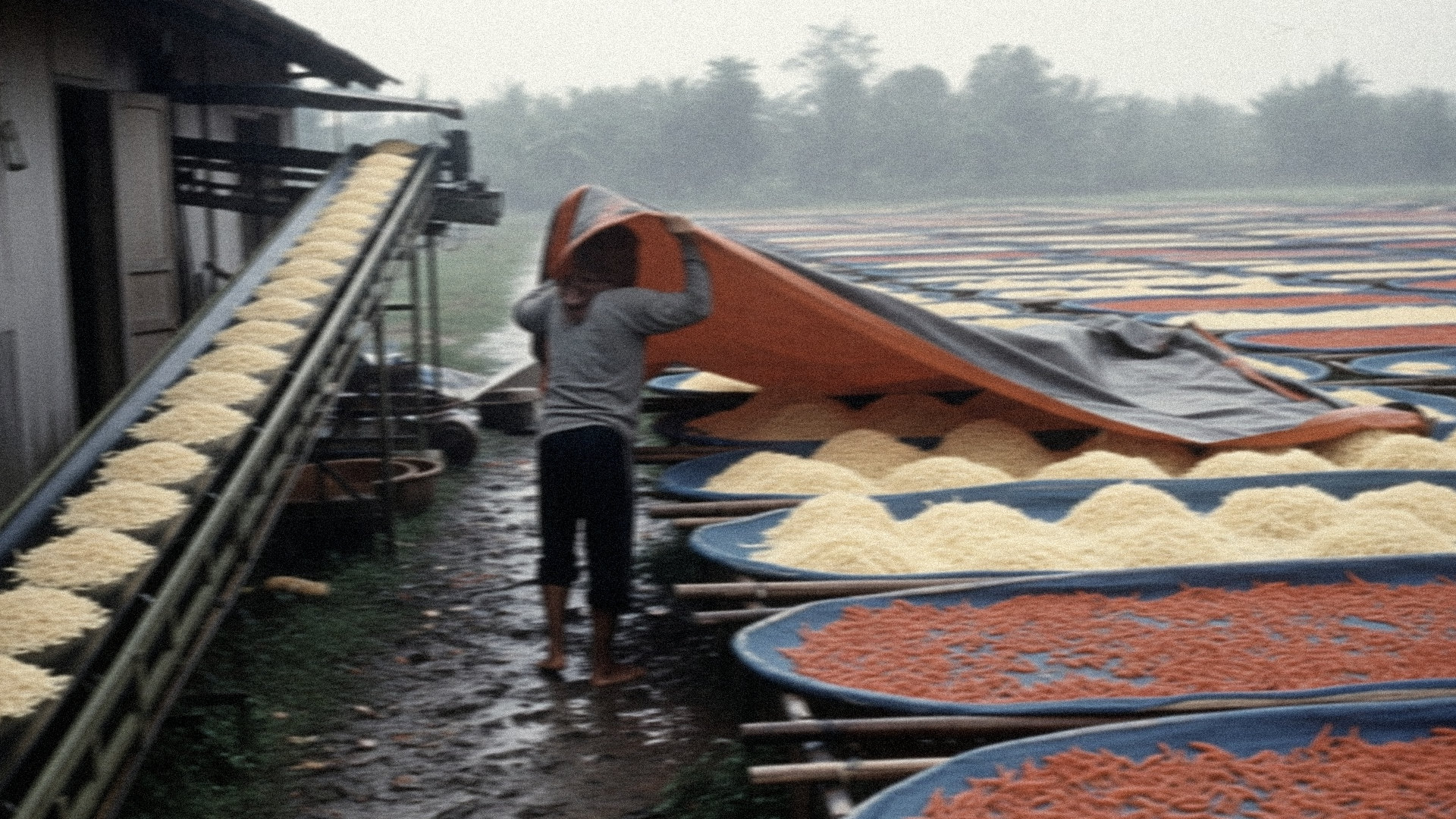
The feedback was consistent: the soup tasted too strong.
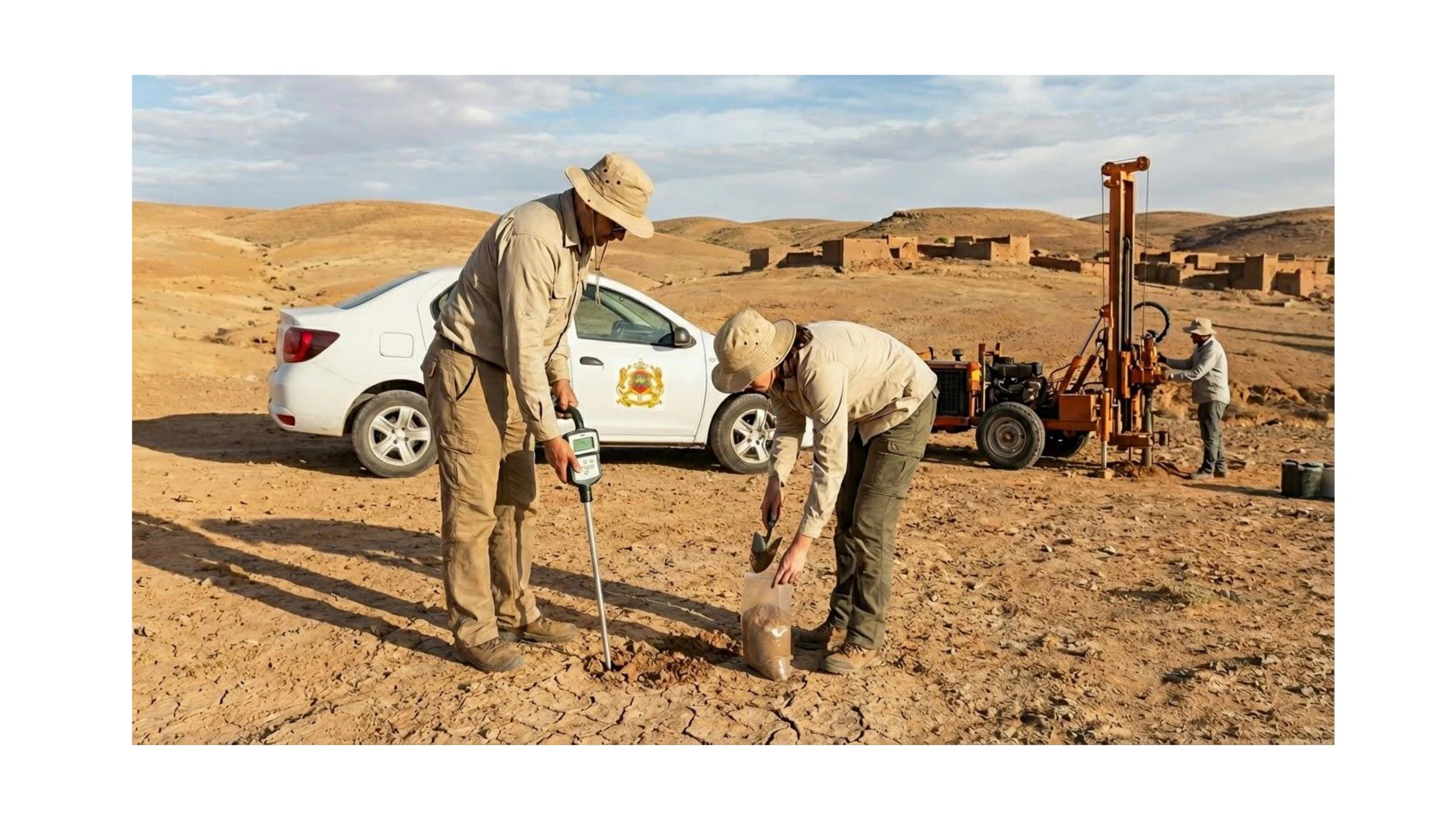
They discovered trace contamination of spices mixed into the land over decades. Local populations had stopped noticing the flavor. Over generations, tastebuds became used to mixed food.
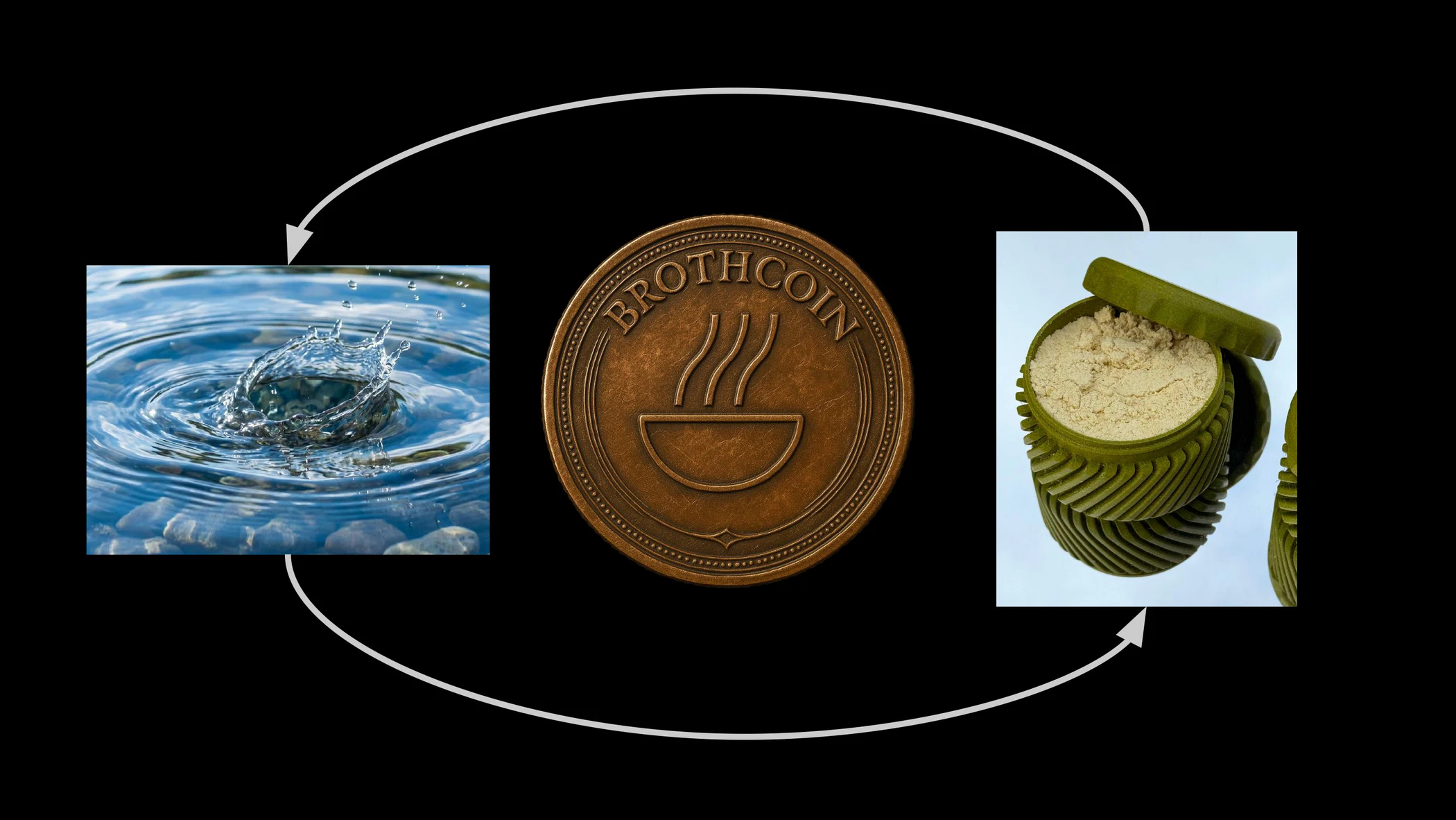
They also proposed a shared currency: the Brothcoin.
The purification experiments were expensive. They also damaged the land.
Engineers warned that the entire operation might collapse the remaining ecosystems.
Eventually, both governments evaluated the cost-benefit ratio and stopped pretending purification was sustainable. They shifted to a different strategy: acclimatation.

Dutch citizens were encouraged, through national campaigns, to adapt to the mixed flavors. Addiction to the new flavor combinations became common but manageable.

The pursuit of purity faded from policy discussions. People adapted to the flavors they had.

By then, no one remembered what pure food had tasted like anyway.